
Washington Residents Directory
The Washington Residents Directory helps you search for public records tied to people who live in the state. You can look up court filings, vital records, property tax rolls, business ties, and other public info held by state and county offices. Every one of the 39 counties keeps its own files, and the state runs a handful of large databases that cover all of them. Use this page to find the right office, the right tool, and the right link. The goal is simple. Get you to the record fast, with no guess work, and with the source made clear.
Washington Residents Directory Overview
How the Washington Residents Directory Works
Washington does not keep one master list of every person in the state. Instead, public info about residents lives in many places. The court clerk holds case files. The county assessor holds property info. The Department of Health holds vital records. The Secretary of State holds business filings. The State Patrol holds criminal history. Each one has its own search tool, its own rules, and its own fees. This directory pulls the main ones together so you can pick the right source for the kind of record you need.
The core law is the Washington Public Records Act (RCW 42.56). Under RCW 42.56.070, each agency must make its public records open to you unless a clear rule says no. Under RCW 42.56.520, the agency has five work days to reply to a request. The law makes it clear that the people of the state keep the right to know what their government does. That is the base layer for every search you run through this Residents Directory.
Note: Some records are not open to the public, such as sealed court files, juvenile records, and certain vital records under RCW 70.58A.560.
Court Records in the Residents Directory
The fastest way to find court ties for a Washington resident is the state court search. The Washington Courts Odyssey Portal lets you look up cases by party name, case number, or business name. It covers most Superior, District, and Municipal courts in the state. You can see case type, file date, hearings, and the list of filed papers. The full file and certified copies must come from the county clerk where the case sits. The portal is free and opens to the public. Some small courts do not use Odyssey, so you may need to call the local clerk if a person is missing from the portal.
Let's take a look at the Odyssey Portal home screen to see what the tool looks like before you run your first search.
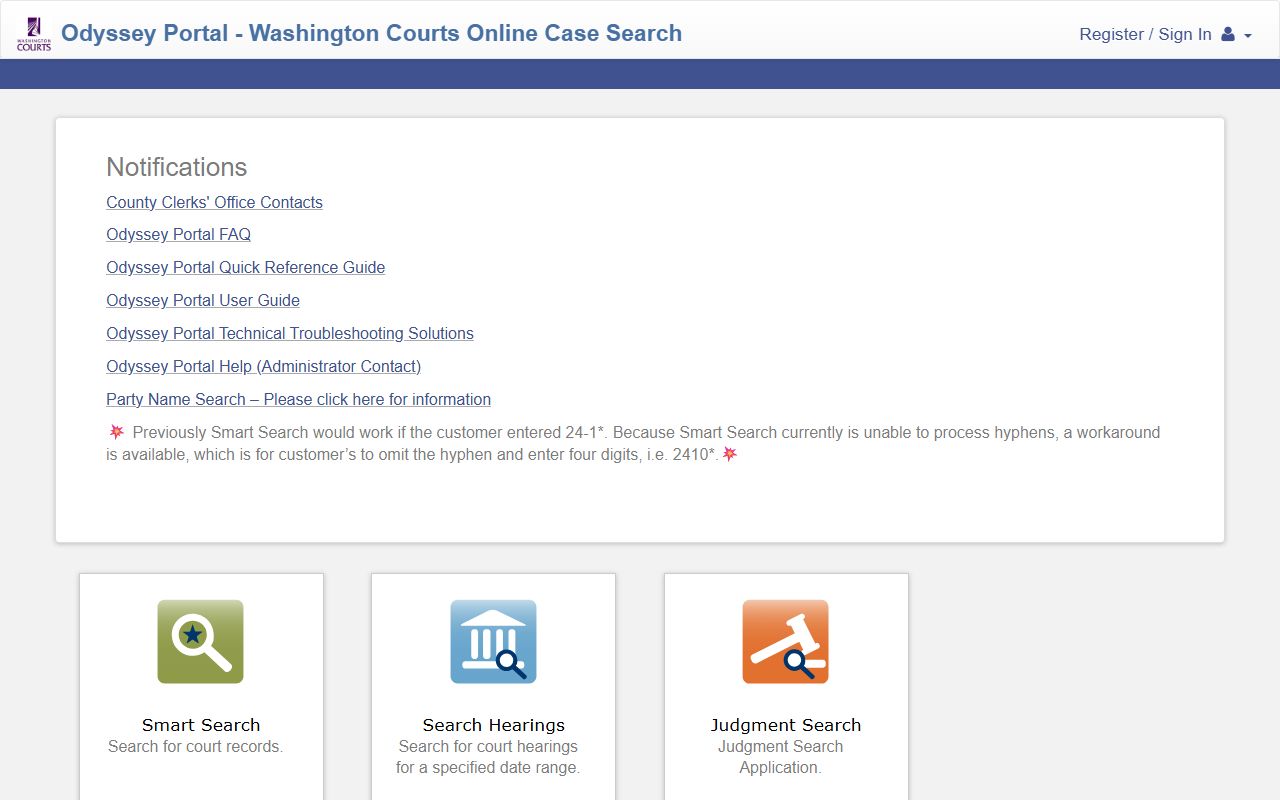
The portal lets you pick a court, type a name, and filter by case type. Court rules under GR 31 and GR 31.1 set how much case detail can be shown online.
Vital Records in Washington
Birth, death, marriage, and divorce records are a core part of any residents lookup. The Washington State Department of Health, Center for Health Statistics, holds these files. Birth and death records run from 1907 to now. Marriage and divorce records run from 1968 to now. Older files may sit with the county auditor or county clerk. Only qualified askers, such as the person on the record or close kin, can get a full certified birth or death copy under RCW 70.58A.560. The fee is about $25 for the first copy and $20 for each extra copy of the same record ordered at the same time.
The Washington State Digital Archives holds many of the old files for free public view. The Washington State Digital Archives keeps birth and death records from 1890 to 1907 for many counties, plus old court, land, and census files. You can search by name, county, and date. Most files can be viewed and saved right from your browser at no cost.
Here is a look at the Digital Archives search page so you know what to click when you get there.
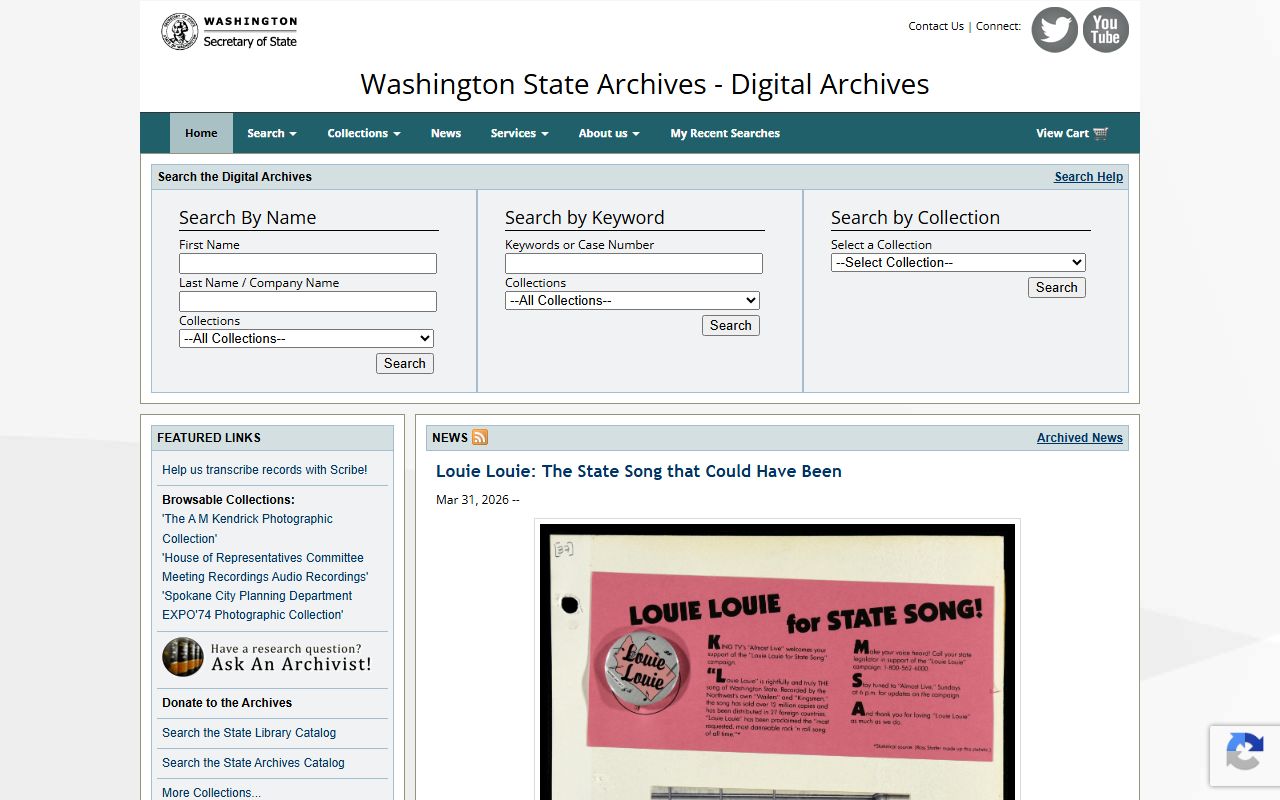
The archives also hold old naturalization files, marriage returns, and frontier court records that tie back to early Washington residents.
Criminal History and the Residents Directory
The Washington State Patrol runs WATCH, which is the state tool for name based criminal history checks. The WATCH portal charges about $11.00 per search. A search pulls felony and misdemeanor convictions from Washington courts. It does not pull records from other states or from federal courts. Use of non conviction data is set by RCW 10.97 and is limited. Results usually come back right away. You can reach the WATCH help desk at 360-534-2000 for login or billing help.
Let's see the WATCH search page so you know the kind of info you must type in.
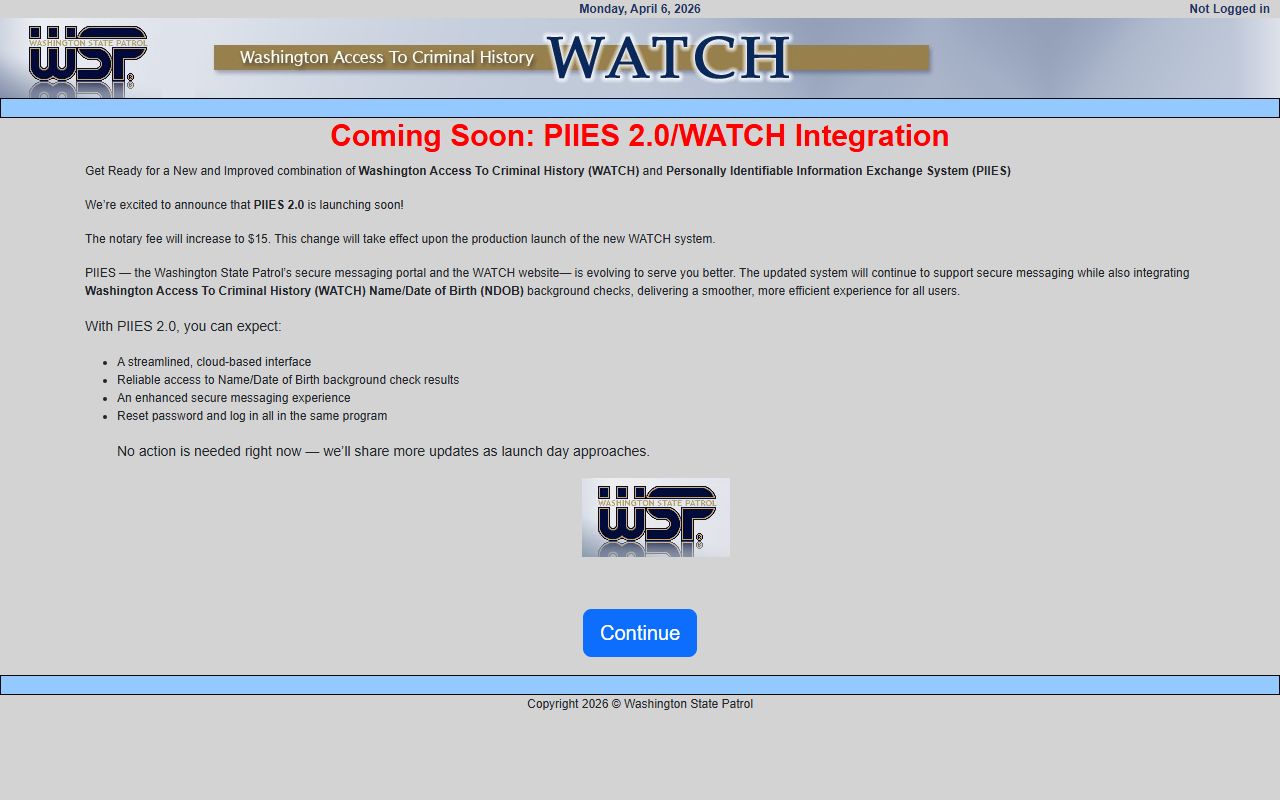
You need the full name and date of birth of the person. The site will also show how to read the results and how to contest them.
Property and Tax Records
Property records tie a resident to a piece of land and to a tax bill. The Washington Department of Revenue keeps a full list of every county assessor and treasurer. The Washington State Department of Revenue property tax page links to each of the 39 county sites. You can search parcels by owner name or address and see sale price, acreage, tax due, and payment status. These tools are free. The data is pulled right from the county roll.
Here is the Department of Revenue property tax page so you can see how the state lines up its local links.
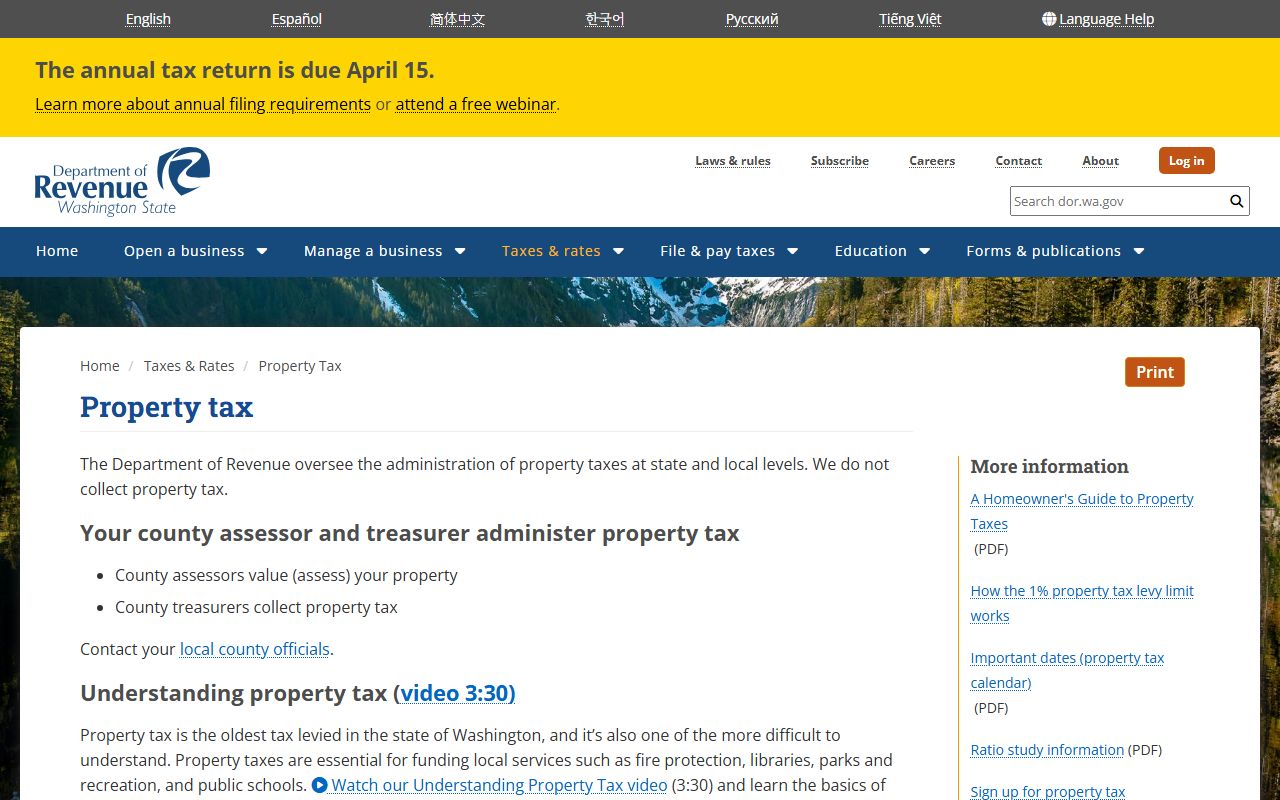
Property tax files are a strong tool for a people search since they tie a full name to a street address and a parcel number.
Business Filings for Washington Residents
Many Washington residents own or run a business. The Secretary of State Corporations and Charities Filing System is the main tool to look them up. You can search by business name, UBI number, or registered agent name. The site shows the entity, the file date, the status, and the address on file. Most filings are free to download as PDFs. That includes articles of incorporation, annual reports, and UCC filings. A search through the Secretary of State is a fast way to tie a Washington resident to a company.
Here is the Corporations and Charities search page.
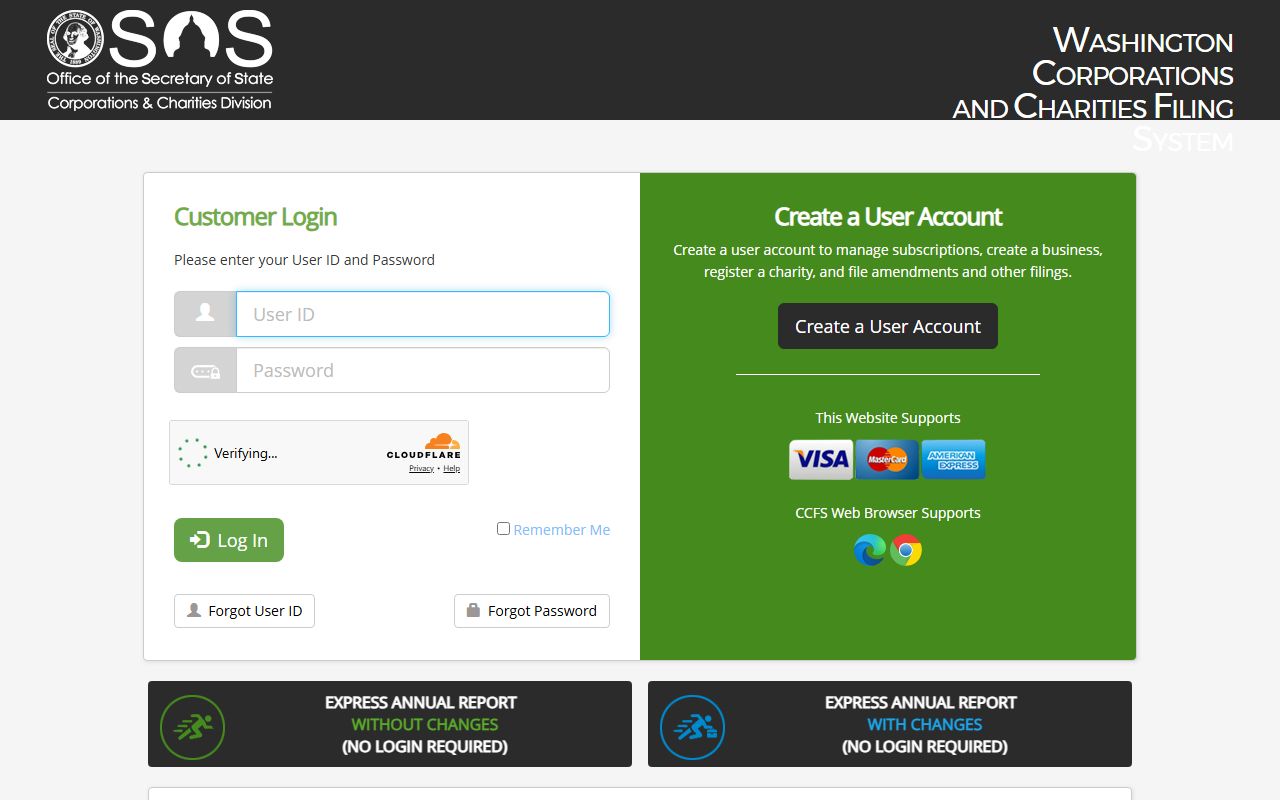
If a person runs a non profit, the same portal will show the charity filings and the annual reports they are required to file.
Laws Behind the Residents Directory
The Revised Code of Washington is the main source of law for every public file in the state. Chapter 42.56 is the Public Records Act. Chapter 36.22 covers county auditors. Chapter 65.04 covers recording of deeds and other land papers. Chapter 36.18 covers recording fees. These rules shape how a record is made, where it is kept, and who can see it. Court records are set by the court rules, mainly GR 31 and GR 31.1, not by the Public Records Act.
Here is the RCW 42.56 page for a quick look.
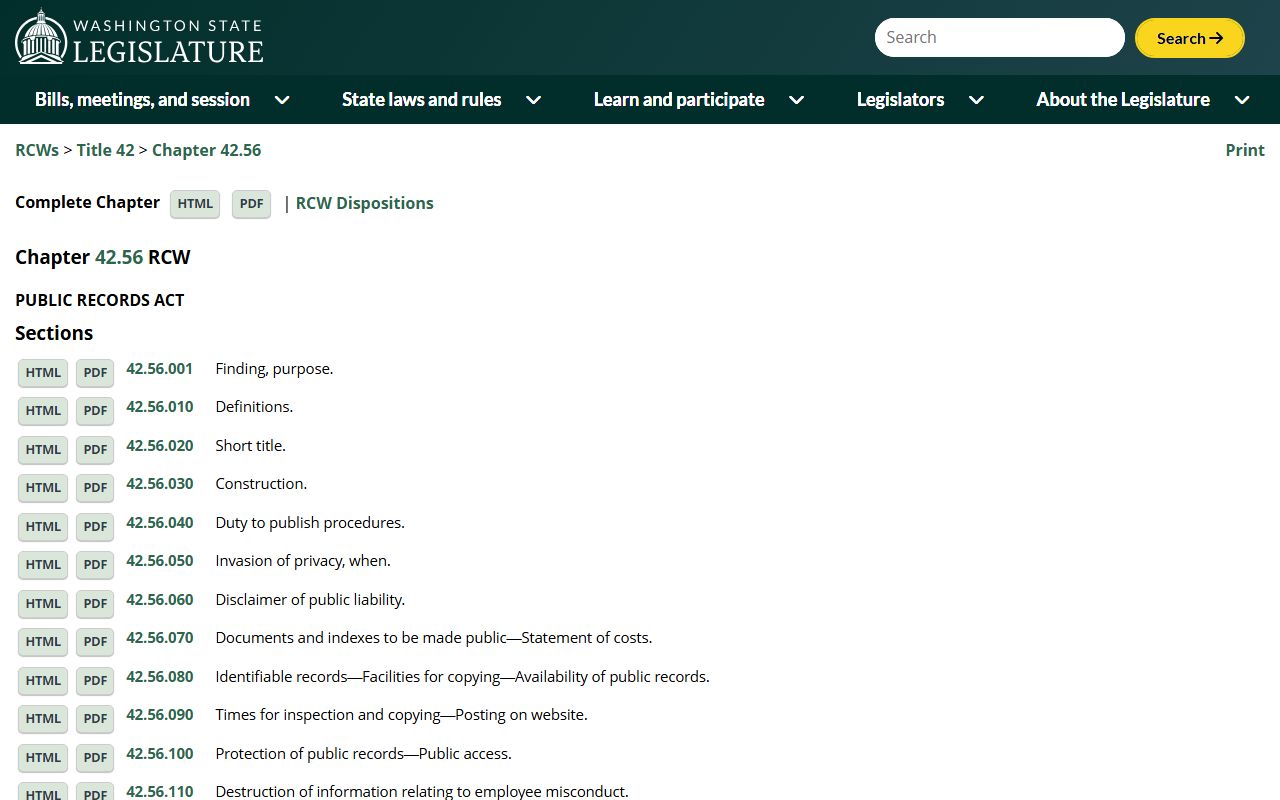
The law makes clear that the burden is on the agency to show why a record must be kept back, not on you to show why you need it.
Browse the Residents Directory by County
Each county runs its own clerk, assessor, and recorder. Pick a county below to find the local offices and tools for that area.
Major Cities in the Residents Directory
Look up residents by city. Pick a city below to jump to the local page with courts, offices, and tools.